
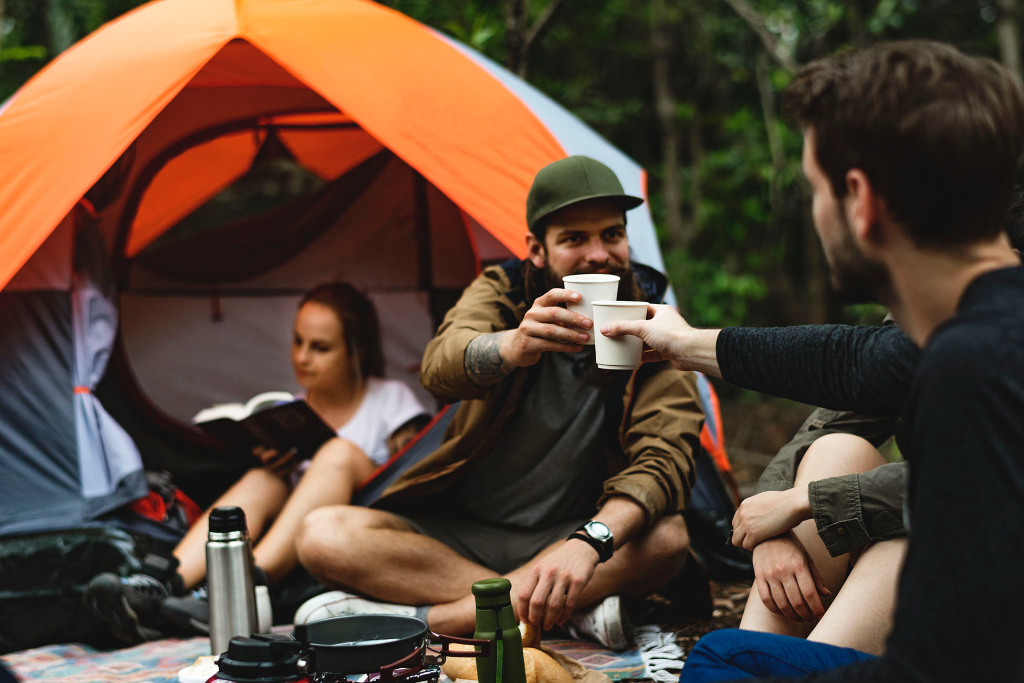
Smith Mountain Lake is known as a destination for those who love the outdoors. From water sports to hiking to relaxing on the dock at sunset, SML has an outdoor activity for all guests, regardless of activity level. But for those who truly want to become one with nature, there’s nothing like camping at Smith Mountain Lake. If you’re a beginner looking for information on camping in the SML area, or wondering what kind of gear you need to bring for your outing, check out the tips below to brush up on your camping prowess.
Choosing the Right Campsite
How will you be camping? Are you staying in an RV, hoping to rent a cabin or bunkhouse, or supplying your own tent? Each campground has different options for accommodations, and it’s important to research each one to ensure that the site has what you’re looking for. For example, if you’re driving an RV, you’ll need to choose a site that can accommodate the size of your RV, as well as any vehicles you may be towing. It’s always best to call and speak to someone locally to find out which available site is best suited for your stay. Will you be bringing pets? Do you need bathroom facilities? Are there activities available for children? Should you bring your own linens? Is there a charge for firewood? Knowing the answers to these questions beforehand will help you filter out campsites that don’t meet your criteria.
What to Bring
Once you’ve selected the site, it’s time to stock up on gear. If you’re purchasing a tent, a good rule of thumb is to buy one that’s a size or so bigger than the number of people who are going to be using it. This gives you plenty of room to store your things inside the tent (safe from the elements) while giving you plenty to room to sleep. Speaking of which, a good sleeping bad is essential for a successful camping trip. Pay attention to the nighttime temperatures at your campsite and plan appropriately. If a sleeping bag on the ground sounds a bit too firm for you, consider a small cot or air mattress. If you’re bunking in a cabin or bunkhouse, check the facility to see if linens are provided. However, bringing your own set(s) of linens (sheets, towels, etc.) is not a bad idea. Camping lights and cooking equipment should also be on your list. Many campsites have grills, but not cookware or utensils. Camping lights are especially handy when hanging out by the fire at night.
Be Prepared
Mother Nature doesn’t give you a pass just because you’re trying to bond in her surroundings. Insects, wild animals, sunburns, poison ivy, and seasonal weather are always a possibility when camping. Pack first aid and medical essentials to ensure that you have what you need on hand in case of an emergency.