How to Reach Me
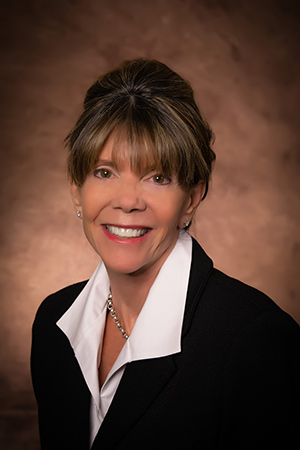
"For 33 years I’ve enjoyed selling luxury real estate properties at Smith Mountain Lake and
helping homebuyers’ dreams come true. My clients have the peace of mind that comes from working with
an experienced realtor who knows the area."
phone email location_onLooking to Sell?

With my local expertise, I’ll create a strong marketing plan that will help you find the perfect buyer
and negotiate a top-purchasing price for your home. Contact me today for your free Comparative Market
Analysis, and we’ll begin your professional listing presentation.
Free Insider's Guide

If you’re thinking about moving to, retiring, or buying a vacation home on Smith Mountain Lake, or you
just want to know more about this fantastic area, you’ll find everything you need in this free
insider’s guide!
Vicki Millehan is the premier Smith Mountain Lake real estate agent serving the area including
Penhook, Glade Hill, Moneta, Union Hall, Wirtz, Goodview, Hardy, Huddleston, and Sandy Level in
Bedford County, Pittsylvania County, and Franklin County.
All searches are performed on live data on the MLS server. Although the Multiple Listing Service of The Roanoke Valley is the single source for these listings, listing data appearing on this website does not necessarily reflect the entirety of all available listings within the Multiple Listing Service. All listing data is refreshed daily, but its accuracy is subject to market changes. All copyrights and intellectual property rights are the exclusive property of the Multiple Listing Service of The Roanoke Valley. Whether obtained from a search result or otherwise, visitors to this website may only use this listing data for their personal, non-commercial benefit. The unauthorized retrieval or use of this listing data is prohibited.
©2024 Copyright Vicki Millehan
Website by Technoke LLC

©2024 BHH Affiliates, LLC. An independently owned and operated franchisee of BHH Affiliates, LLC.
Berkshire Hathaway HomeServices and the Berkshire Hathaway HomeServices symbol are registered service marks of Columbia Insurance Company, a Berkshire Hathaway affiliate. Equal Housing Opportunity.
Berkshire Hathaway HomeServices and the Berkshire Hathaway HomeServices symbol are registered service marks of Columbia Insurance Company, a Berkshire Hathaway affiliate. Equal Housing Opportunity.